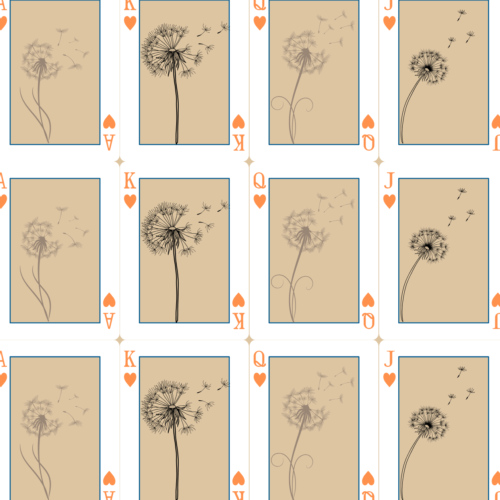
A lone dandelion bud glistened in the starry night, lying under the twinkling, dark blue sky, blissfully nestled in a vast meadow surrounded by tall blades of grass. Its short stem shook in the gusty wind, struggling to regain balance. The whisper of the breeze hung in the cold air, urging the bud to blossom, face the unknown, complete its cycle, so that one day, a hopeless person or a happy child could blow on its white fuzz, eagerly awaiting the heavens to grant their wish true.
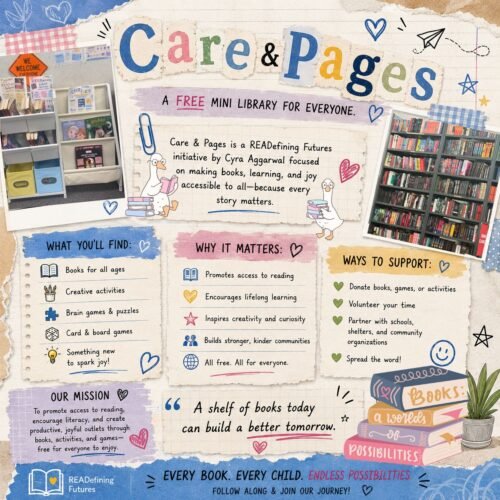
Care & Pages: A READefining Futures Initiative
I’ve always believed that every child deserves the chance to discover the joy of reading. But one question stayed with me: What happens when a child wants a book and there isn’t one nearby? Maybe they’re sitting in a clinic waiting room, spending the afternoon at a community center, or simply don’t have easy access to a library.
That question inspired Care & Pages, a project under my non-profit: READefining Futures, a free mini library initiative that places books, activities, and games in clinics and community spaces, making reading and learning available wherever people already are.
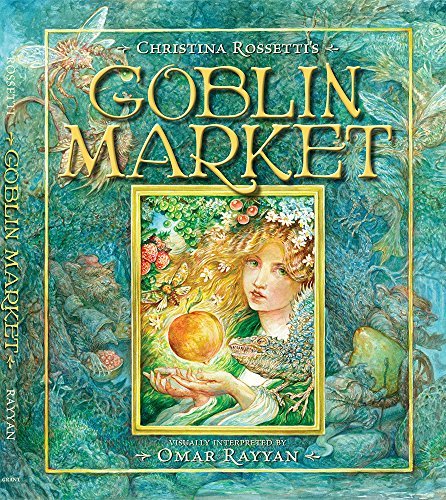
Feminism in Christina Rossetti’s Goblin Market
For an AP Literature this school year, I explored Christina Rossetti’s Goblin Market (1862) from a feminist aspect and it completely changed the way I looked at the poem. At first glance, it feels like a Victorian fairy tale about two sisters and a group of mysterious goblin merchants selling enchanted fruit. Laura gives in to temptation, suffers the consequences, and is ultimately saved by her sister, Lizzie. But beneath that familiar story is a powerful exploration of female agency, sisterhood, and the expectations placed on women during the Victorian era. Reading it through a feminist lens reveals just how ahead of its time Rossetti’s writing really was.
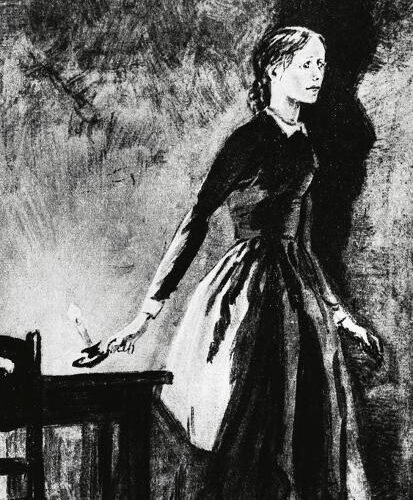
More Than a Martyr: Sonya Marmeladova and the “Catastrophic Division” in Crime and Punishment
For an AP Literature project this past school year I analyzed Sonya Marmeladova in Fyodor Dostoevsky’s Crime and Punishment. Before reading the novel, I expected Raskolnikov to be the character who carried its biggest ideas. After all, he’s the protagonist. But the more I read, the more I realized that Sonya becomes the novel’s moral center. While Raskolnikov wrestles with guilt, pride, and philosophy, Sonya offers a completely different perspective, one rooted in faith, compassion, and sacrifice.
The focus of my project was what I called “The Catastrophic Division,” the painful split between Sonya’s pure spiritual identity and the devastating reality she is forced to live. Through her, Dostoevsky asks one of the novel’s biggest questions: Can a person’s soul remain whole even when their circumstances are completely broken?
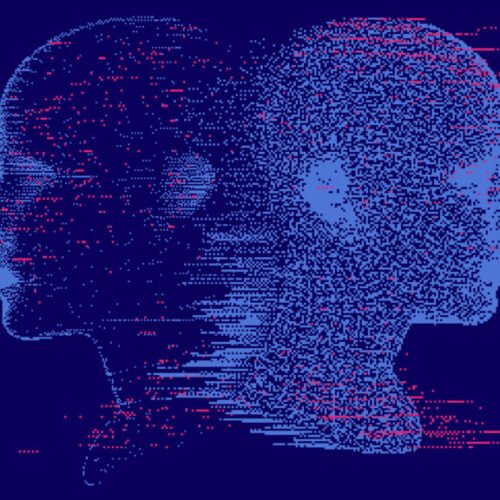
Human Digital Twins: The Future of Personalized Health, Psychology, and AI-Powered Care
magine having a virtual version of yourself that understands your body, your mind, your habits, and even how you might respond to future changes. This is the idea behind a Human Digital Twin (HDT)—an emerging technology that combines artificial intelligence, healthcare data, and predictive modeling to create a dynamic digital representation of a person.
Unlike a simple health tracker that only records information, a human digital twin builds a complete picture of how a person functions over time. It connects physical, psychological, and behavioral data to understand the complex relationship between the body and the mind.
- « Previous Page
- 1
- 2
- 3
- 4
- …
- 18
- Next Page »